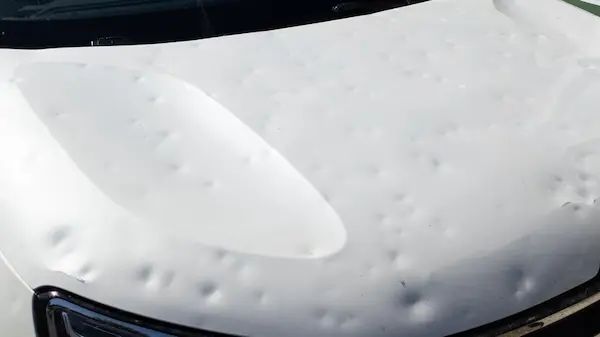
Hail Damage on Your Car? Here’s Exactly What to Do (And What Most Shops Won’t Tell You) Hail damage on your car? Learn what to do first, how insurance really works, and why paintless dent repair is the smartest way to fix it.
Your Car Deserves Better: Why Chicagoans Are Choosing Paintless Dent Repair Over the Body Shop This isn’t body shop work. This is Paintless Dent Repair — a cleaner, faster, smarter way to preserve your car’s original finish while restoring its showroom look.
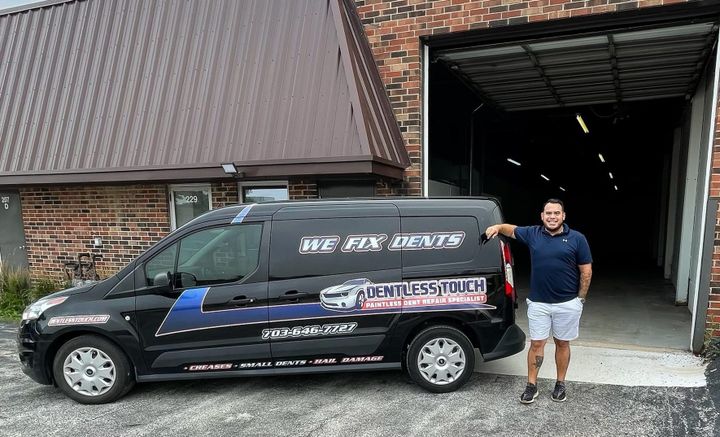
Dentless Touch: The Perfect Solution to Automotive Tariffs Dentless Touch offers a unique and effective alternative to traditional repair methods. With our Paintless Dent Repair (PDR) techniques, we can restore your vehicle’s body to its original condition without the need for replacement parts.
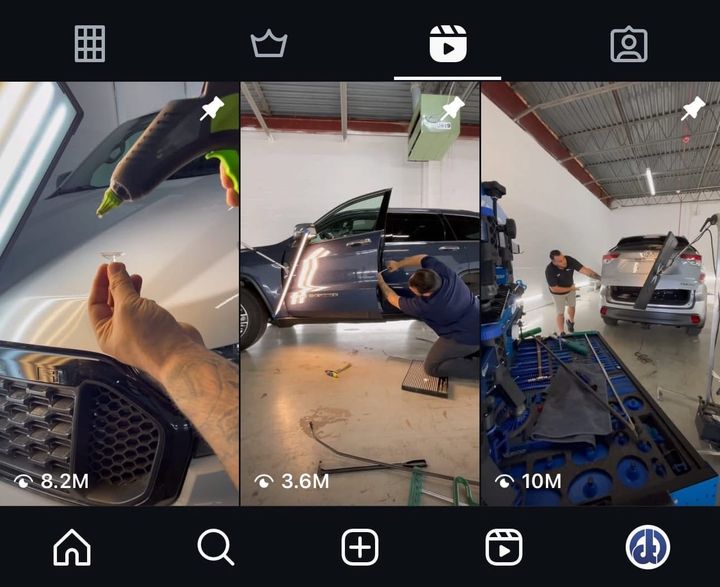
How Dentless Touch Uses Social Media to Educate, Build Trust, and Showcase Expertise At Dentless Touch, social media isn’t just a tool—it’s an essential part of how we connect with our customers, educate them about Paintless Dent Repair (PDR), and highlight the skill and craftsmanship of our technicians. With over 30 million total views across our social media platforms, and
Why Removing Dents from Your Vehicle is a Must: Protect Your Investment, Value, and Safety Why Removing Dents from Your Vehicle is Essential Dents and dings on a vehicle may seem like minor cosmetic flaws, but ignoring them can lead to a variety of problems that go beyond appearance. Whether the damage is caused by hail, a parking lot mishap, or a minor accident, addressing
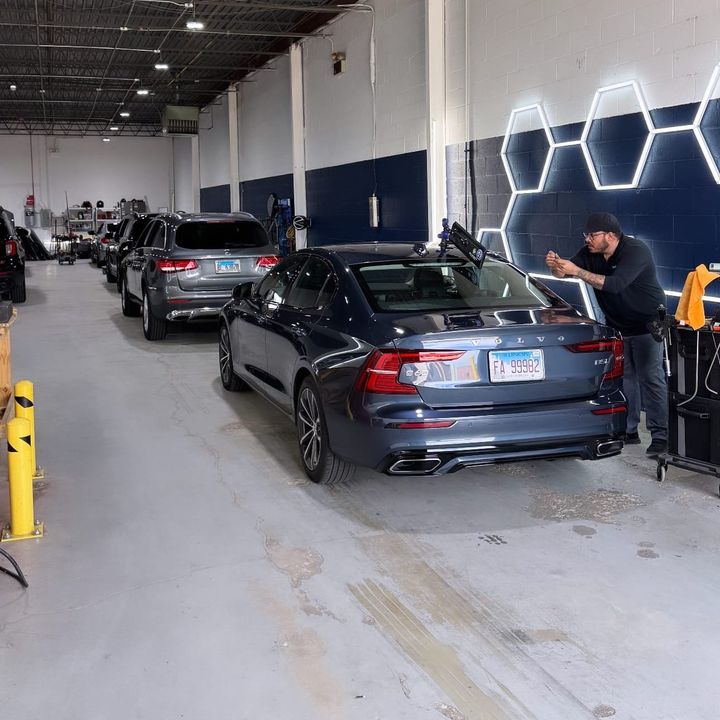
The Sacrifices of Running a PDR Business: What It Really Takes You see the success, the steady flow of cars coming in, the customers leaving happy, and the business thriving. From the outside, it looks like an easy operation—fix dents, collect payments, and move on to the next. But let me tell you, running a brick-and-mortar PDR shop isn’t
Active Understanding vs. Going Through the Motions: The Key to Mastering Paintless Dent Repair Going Through the Motions This is when a trainee mechanically performs the steps without truly engaging their mind. They might follow instructions to the letter—setting up their light, placing their tool, or tapping down high spots—but without asking themselves WHY they are doing it. The work may look