How to Be an Efficient Hail Technician and Maximize Efficiency During a Hail Storm
Learn how efficient hail technicians and repair shops maximize productivity during hail season through better tools, proven repair systems, organized documentation, insurance communication, and quality control.
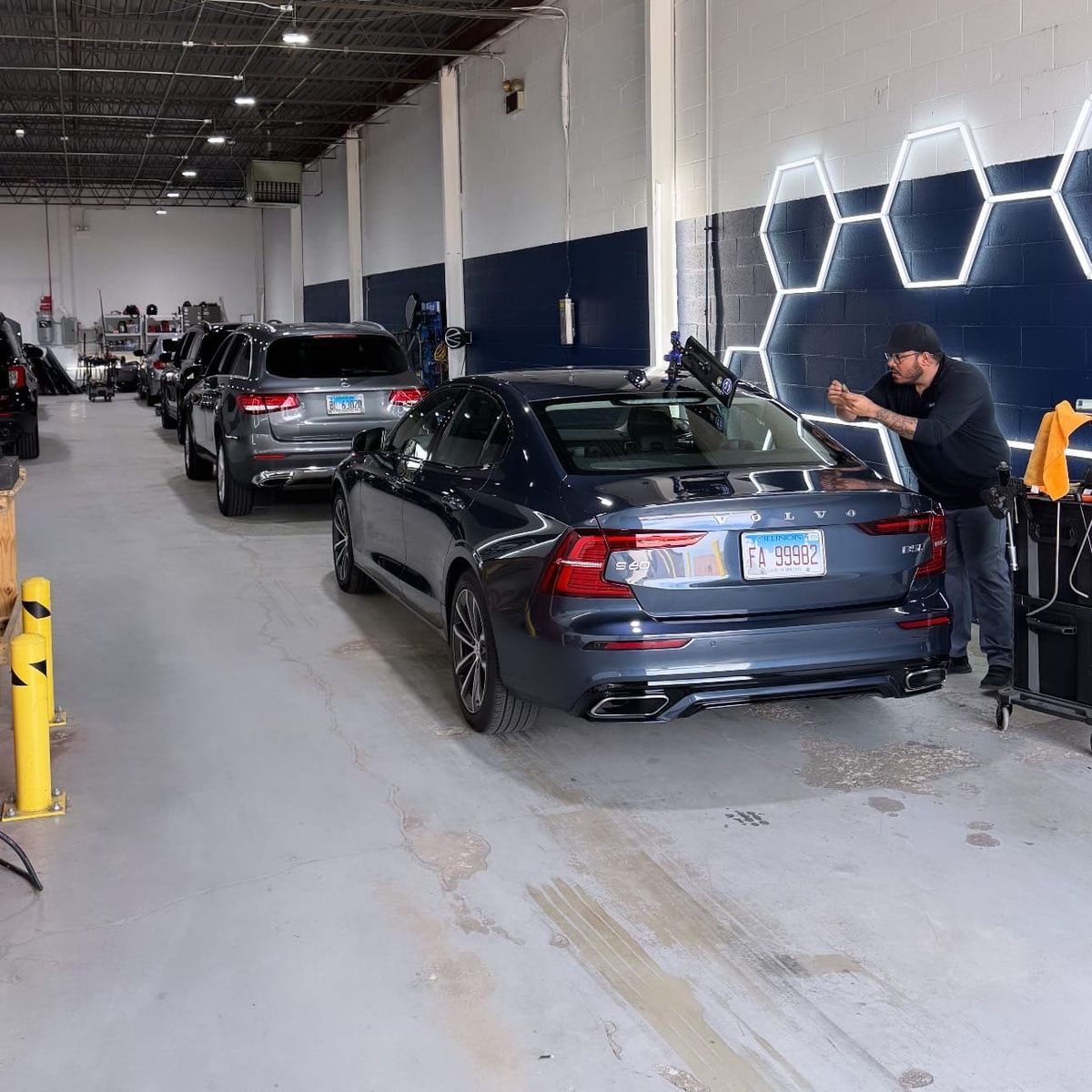
When a major hail storm hits, the difference between an average technician and a highly successful hail technician isn't necessarily skill—it's efficiency.
Most technicians can repair dents. The technicians who consistently earn the most during hail season have systems in place that allow them to repair more vehicles, maintain quality, and minimize wasted time. The same applies to business owners. Shops that survive and thrive during hail season aren't always the largest shops—they're the most organized.
Whether you're a technician in the field or a shop owner managing dozens of vehicles, efficiency is what determines profitability during a hail storm.
Efficiency Starts Before the First Dent Is Repaired
Many technicians spend years perfecting dent removal techniques but never develop a workflow.
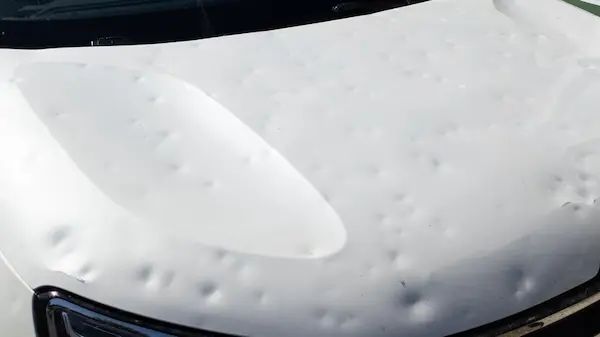
The reality is that hail repair is different from everyday retail dent repair. A technician may encounter hundreds or even thousands of dents on a single vehicle. Without a system, time is lost constantly moving around the vehicle, changing tools, repositioning lighting, and deciding what to repair next.
The most successful hail technicians create a repeatable process and follow it on every vehicle.
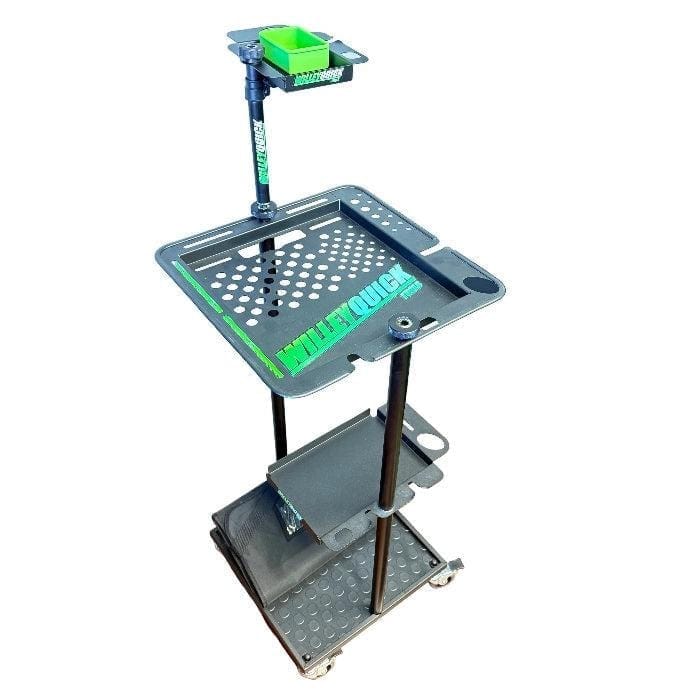
Have the Right Tools for Hail Repair
A hail technician's toolbox often looks different than a technician focused primarily on retail dent repair.
While every technician has their own preferences, a typical hail setup may include:
- Multiple hail rods and whale tails
- Interchangeable tips
- Glue pulling equipment
- Hail lights and lighting systems
- Roof stands and platforms
- Knockdowns and blending tools
- Window guards
- Battery-powered lighting solutions
- R&I tools for trim and interior removal
The goal isn't to own every tool available. The goal is to eliminate downtime caused by not having the proper tool readily available.
Every time a technician stops to search for a tool, walks across a shop, or improvises because they don't have the correct equipment, efficiency drops.
Develop a Vehicle Repair System
Every technician eventually develops their own approach to attacking a hail-damaged vehicle.
The exact process doesn't matter as much as having one.
For example, my personal workflow is:
- Hood
- Front fenders
- Vehicle sides
- Roof
- Roof rails
Another technician may prefer to start on the roof and work downward.
Neither method is necessarily right or wrong.
What matters is consistency.
A repeatable process helps:
- Reduce missed dents
- Reduce unnecessary movement
- Maintain focus
- Improve production speed
- Create predictable repair times
The more vehicles you repair, the more important your system becomes.
Minimize Setup Changes
One of the biggest efficiency killers in hail repair is constantly changing setups.
Every time a technician moves a stand, changes lighting positions, switches platforms, or changes tools unnecessarily, production slows down.
High-producing hail technicians focus on completing entire sections of a vehicle before moving on.
Instead of bouncing from the hood to the roof to the quarter panel and back again, complete one area thoroughly before moving to the next.
Small time savings repeated hundreds of times throughout a hail season can add up to significant increases in production.
Organization Creates Speed
The fastest technicians are rarely the technicians moving the quickest.
They're simply the most organized.
Organization includes:
- Keeping tools in designated locations
- Maintaining clean work areas
- Having repair carts stocked daily
- Charging batteries before they are needed
- Keeping frequently used tools immediately accessible
A technician should know exactly where every tool is located without having to think about it.
Document Everything
Efficiency is not only about repairing dents.
Documentation can save countless hours later.
Before repairs begin, document:
- Overall vehicle condition
- Existing damage
- Prior repairs
- Paint defects
- Interior condition
- Wheel and tire condition
Photos should be taken before any work begins.
This protects both the technician and the business if questions arise after delivery.
Efficiency on the Business Side
Many shops focus entirely on repair production but overlook operational efficiency.
A shop can have the best technicians in the industry and still struggle during hail season if paperwork and communication are disorganized.
Operational efficiency becomes just as important as repair efficiency.

Maintain Clear Communication
Hail customers are often dealing with insurance claims for the first time.
Confusion creates delays.
Customers should understand:
- The repair process
- Expected timelines
- Rental vehicle procedures
- Deductible responsibilities
- Insurance claim status
- Supplement procedures
Consistent communication reduces incoming phone calls, prevents misunderstandings, and creates a better customer experience.
Document Every Conversation
One of the most valuable habits a shop can develop is documenting all communication.
Every conversation with:
- Customers
- Insurance adjusters
- Rental companies
- Parts vendors
- Sublet providers
should be documented.
Detailed notes provide accountability and eliminate confusion when multiple employees are involved.
Documentation becomes even more important when claims involve supplements, delays, or disputes.
Create Standardized Paperwork
During a large hail storm, paperwork volume increases dramatically.
Successful shops create systems that standardize:
- Vehicle check-in procedures
- Authorization forms
- Repair orders
- Insurance documentation
- Photo documentation
- Delivery paperwork
When every employee follows the same process, mistakes become far less common.
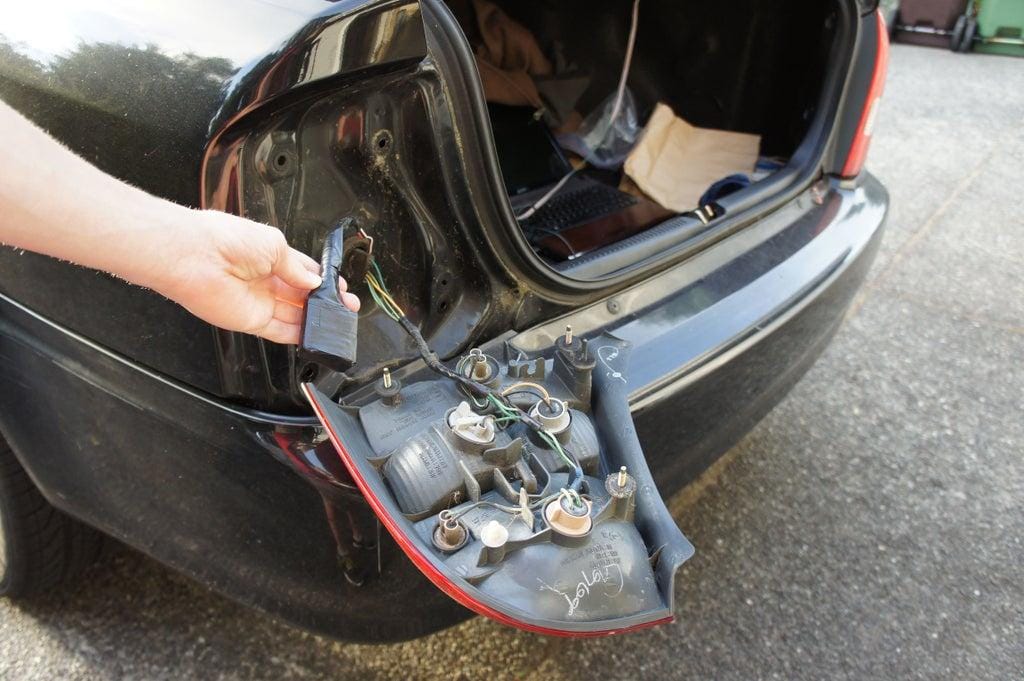
Document All R&I Procedures
Modern hail repairs often require extensive removal and installation procedures.
Depending on the vehicle, technicians may remove:
- Headliners
- Interior trim panels
- Pillar moldings
- Tail lights
- Weatherstripping
- Roof accessories
Every R&I operation should be documented.
Photographs taken before, during, and after disassembly provide valuable records and help protect the shop if questions arise later.
Quality Control Is Efficiency
Many people think quality control slows production.
In reality, poor quality control creates rework.
Rework is one of the largest efficiency killers in any hail operation.
A proper quality control process should include:
- Final light checks
- Multiple viewing angles
- Verification of repaired panels
- Confirmation that all trim is installed properly
- Functional checks of removed components
Finding a missed dent before delivery is far more efficient than bringing the vehicle back into production after delivery.
Final Thoughts
Efficiency during hail season isn't about working faster—it's about creating systems.
For technicians, efficiency comes from proper tools, consistent repair processes, organization, and minimizing wasted movement.
For shop owners, efficiency comes from documentation, communication, standardized procedures, and quality control.
The shops and technicians who consistently succeed during hail season aren't always the most talented. They're the most organized.
When systems are in place, production increases, quality improves, and profitability follows.
Dave O.
Dentless Touch Chicago
229 Eisenhower Lane S.
Lombard, IL 60148


Comments ()